



Tips for Creating a Relaxing Garden Space at Home
Creating a relaxing garden space at home is a wonderful way to offer yourself a daily retreat from the stresses of modern life. With a few thoughtful adjustments and a little creativity, you can design a garden that soothes your mind, delights your senses, and brings you closer to nature. Whether you have a large backyard or a small patio, these tips will help you create a calming outdoor oasis.
Choose the Right Location
Selecting the perfect spot for your relaxing garden space is the first step. Consider areas of your garden that receive good natural light but also offer some shade. Think about privacy too — a corner shielded from neighbours or passing pedestrians can truly enhance the sense of peace.
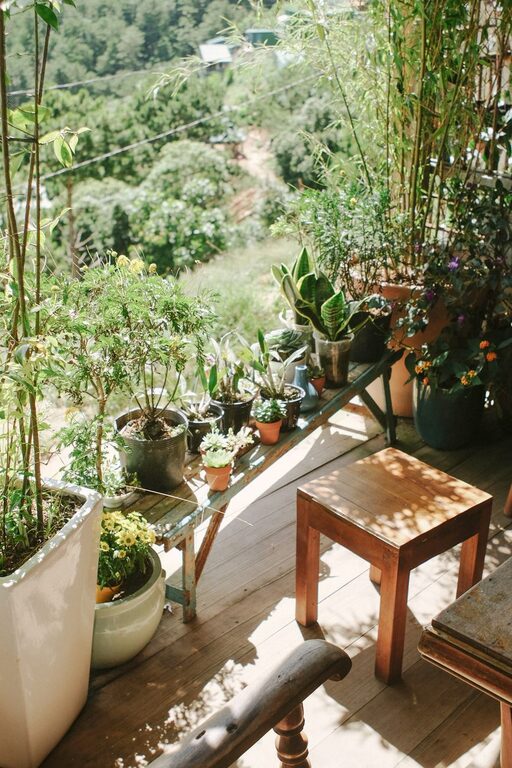
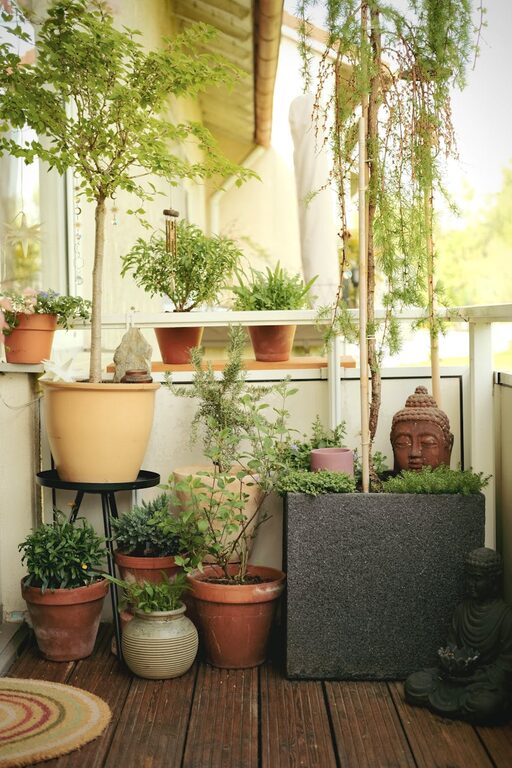
If space is limited, don’t worry. A balcony or windowsill can be transformed into a green retreat with pots and vertical gardens.
Focus on Comfortable Seating
Once you have chosen your spot, add comfortable seating to encourage relaxation. Options might include:
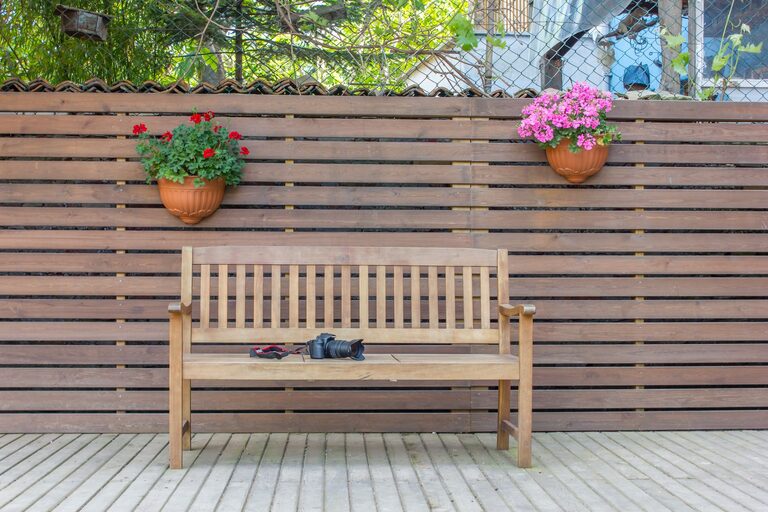
– A cosy bench with cushions
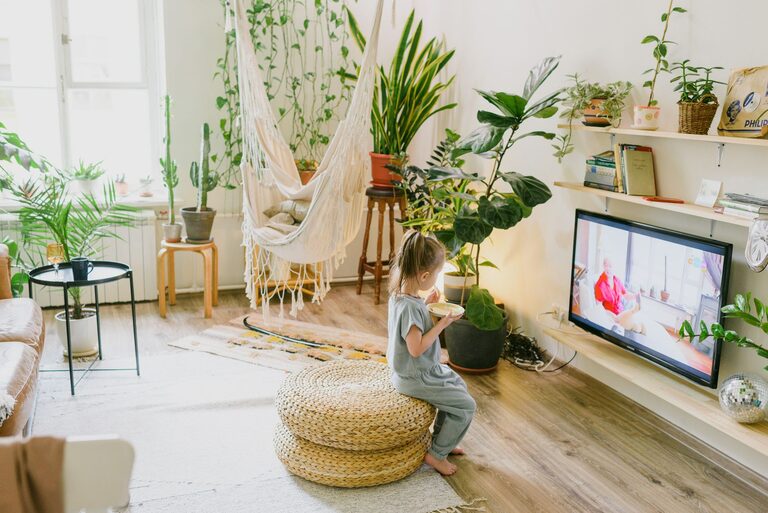
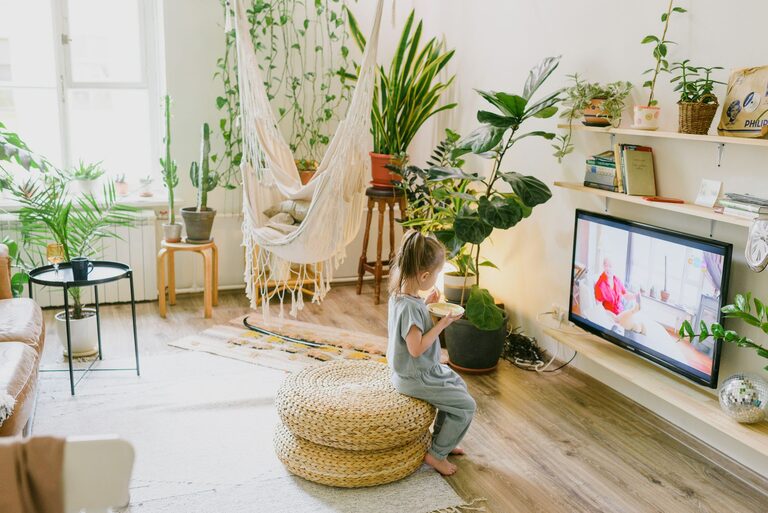
– A hammock or swing chair
– Weather-resistant armchairs with footrests
– A simple mat or outdoor rug paired with soft pillows
Comfortable seating invites you to sit back, breathe deeply, and spend more time enjoying your garden.
Use Soothing Colours and Plants
Colour has a big impact on mood. For a relaxing garden, consider planting:
– Soft greens, which are calming and easy on the eyes
– Lavender and blue flowers known for their soothing effects
– White blossoms to add a sense of freshness and calm
Incorporate a mix of textures with leafy plants, flowering shrubs, and ground cover to create depth and interest.
Some easy-to-grow, low-maintenance plants ideal for a relaxing garden include:
– Lavender
– Rosemary
– Ferns
– Hostas
– Hydrangeas
– Japanese maple (for shade and subtle colour)
Incorporate Water Features
The gentle sound of running water is known to reduce stress and create a tranquil atmosphere. Consider adding a water feature such as:
– A small pond
– A tabletop water fountain
– A birdbath with a drip system
– A bubbling rock
If installing a feature isn’t possible, there are also solar-powered or electric fountain options that are easy to set up.
Create Shade and Shelter
Too much sun can be draining, especially in the warmer months. Provide shade to comfortably enjoy your garden throughout the day by using:
– Pergolas or garden arches draped with climbing plants
– Large umbrellas or awnings
– Shade sails
– Natural shade from trees
Shelter from wind and rain also helps extend the usability of your garden.
Add Personal Touches and Sensory Elements
Make the space feel truly yours by adding personal and sensory touches:
– Soft outdoor lighting, such as fairy lights or lanterns, to create a warm glow in the evening
– Wind chimes to produce gentle sounds in the breeze
– Aromatic plants like mint, chamomile, or jasmine for refreshing scents
– Textured stepping stones or gravel paths to invite you to walk barefoot and connect with nature
Keep It Tidy But Natural
A cluttered garden can cause stress rather than relieve it. Keep your garden tidy by regularly pruning, weeding, and organising pots and tools. However, don’t feel pressured to make it overly formal — a relaxed, natural feel often contributes better to a peaceful atmosphere.
Allow plants to grow naturally within certain boundaries, and leave space for wildlife such as birds and butterflies.
Create Zones for Different Purposes
Even in a small garden, you can create defined zones that cater to various relaxing activities:
– A reading nook with a comfortable chair and a small table
– A meditation or yoga area with a soft mat
– A dining area for alfresco meals with friends or family
– A quiet spot for birdwatching
Dividing your garden into zones helps you switch easily between activities that bring peace and enjoyment.
Use Sustainable and Eco-Friendly Practices
Using eco-friendly gardening techniques also adds to the sense of wellbeing, knowing you are helping the planet. Some ideas include:
– Composting garden waste to enrich your soil naturally
– Collecting rainwater to water plants
– Choosing native plants suited to your local climate
– Avoiding chemical pesticides and fertilisers
This approach benefits the environment and attracts beneficial wildlife to your garden.
Final Thoughts
Creating a relaxing garden space at home is about more than just the physical design — it’s about building a connection with nature that refreshes your body and mind. By choosing the right location, comfortable seating, calming colours, and sensory enhancements, you can enjoy a personal sanctuary right outside your door. Start small, be patient, and most importantly, make it a place you love to spend time in.
Your garden can become a source of peace and happiness for years to come. Enjoy the process of making it uniquely yours.